

KNOWLEDGE · MASTER PLANT DIETA
What Is an Ayahuasca
Master Plant Dieta?
A Master Plant Dieta is at the heart of Chaka Runa’s work. It combines daily work with Master Plants, Ayahuasca ceremonies, specific food and behavioural guidelines, and time for personal reflection. Participants receive guidance throughout.
Explore what happens during a Chaka Runa Dieta and the traditional understanding behind the process.
THE CHAKA-RUNA DIETA
More than a series
of ayahuasca ceremonies
A Chaka Runa Dieta is a guided period of concentrated work with Master Plants. Alongside Ayahuasca ceremonies, participants work with one selected Master Plant or a carefully chosen combination throughout the retreat. In our tradition, this sustained relationship with the plants is intended to support each person’s inner process.
Specific food and behavioural guidelines, personal guidance and time for reflection support this work throughout the Dieta.

THE INNER PROCESS
What can the inner work
of a Dieta be about?
Why people come
People come to a Dieta for many different reasons. Some arrive at a moment of change in their lives. Others want to understand recurring patterns, reconnect with their emotions, work with difficult experiences from the past, or simply create enough distance from everyday life to see themselves more clearly.
A personal process
The Dieta does not prescribe a particular experience or outcome. The inner process may involve looking at relationships, fears, old wounds, self-trust, choices, personal values or the direction of your life. It can also be about rediscovering joy, simplicity, connection with nature, spirituality and a stronger sense of what truly matters to you.
No single way to experience a Dieta
In our tradition, the plants, the ceremonies and the Dieta restrictions create conditions in which this inner work can deepen. Some experiences may feel beautiful or expansive; others can be difficult, emotional or confronting. There is no single way a Dieta is supposed to unfold.

THE DIETA JOURNEY
How a Chaka Runa Dieta unfolds
A Chaka Runa Dieta follows a clear rhythm from start to finish. The exact experience varies with the plant and the program, but the core structure remains consistent.

Before arrival
Participants receive preparation guidelines before the Dieta begins, including food and behavioral recommendations and practical information about what to expect.

Opening the Dieta
At the beginning of the retreat, the Dieta is formally opened. Before the first ayahuasca ceremony, participants receive a flower bath, traditionally used for cleansing and protection.

Daily Master Plant intake
The selected Master Plant or plant combination is prepared as a tea and taken every day throughout the Dieta. This daily plant work continues alongside the ceremonial process.

Five ayahuasca ceremonies
Our Dietas usually include five ayahuasca ceremonies, held every other day. Guided by Don Gino, the ceremonies are accompanied by Icaros rooted in the Mestizo tradition, with influences from Andean and Shipibo traditions.
Four ceremonies take place at night. The fifth begins early in the morning, with the medicine prepared together by the participants. As the ceremony unfolds, we move from darkness into daylight, welcoming the rising sun.
During one of the ceremonies, each participant receives a personal Arkana, a traditional ritual intended to offer spiritual protection during the Dieta and afterwards.

Preparing the medicine together
Once during the Dieta, participants take part in preparing the ayahuasca. Together, we smash the vine and carefully fill the pot with the plants.
In our tradition, preparing the medicine is more than a practical task. It is a shared moment of intention, unity and care, bringing good energy into the medicine through our collective work.

Closing the Dieta
We cut the Dieta with an old traditional preparation made from onion, salt and lemon. After days of following the Dieta, these strong flavors awaken the senses and mark the return to the foods and experiences of everyday life.
Participants also receive guidance for the days and weeks ahead, helping them carry their experiences into daily life.
LIFE IN THE DIETA
Quiet moments, community and creative expression
A Chaka Runa Dieta includes periods of introspection, reduced stimulation and time alone, but it is not a retreat of complete silence or isolation. The days also include guidance, conversation, shared moments and activities that bring participants together.

Guidance and community
Each participant goes through their own personal process, but the Dieta is also lived as a group. We share experiences, spend time together and support one another as a community. At the same time, the Chaka Runa team is present throughout the Dieta to offer personal guidance and support when needed.

Other traditional medicines
Alongside Ayahuasca and the Master Plants, other traditional medicines form part of the Chaka Runa Dieta. These include Mapacho, Rapé, Kambo and Sananga.

Visionary painting
One introductory visionary painting session is included. It offers a creative way to give form to images, impressions or visions that may arise during the Dieta. Some of these experiences can be difficult to put into words.
Those who wish to continue can complete the full workshop with four additional hours for an extra fee.

Music, songs and instruments
Music is an important part of the Chaka Runa experience. One introductory instrument session is included. Participants can explore instruments such as the charango and flute and learn some of the songs they hear during the retreat. Those who wish to continue can complete the full workshop with four additional hours for an extra fee.

Space for yourself
Alongside these shared activities, there is also time to rest. Spending time alone allows experiences from the plants and ceremonies to settle. The daily rhythm balances shared activities with quiet time, without requiring complete isolation throughout the Dieta.

FOOD & RESTRICTIONS
Simple food,
fewer distractions
Avoided
• Salt
• Sugar
• Oil
• Spices
• Alcohol
• Caffeine
• Processed foods
Dieta Food
• Rice
• Potatoes
• Quinoa
• Salad
• Eggs
• Fish or chicken
(once per Dieta)
Simple food
Food is an important part of the Dieta. During a Chaka Runa Dieta, meals are intentionally simple and plain. Typical foods include rice, potatoes, quinoa, salad and eggs, with fish or chicken introduced at the appropriate point during the Dieta.
The simplicity is deliberate. During the Dieta, participants avoid salt, sugar, oil and spices, as well as alcohol, caffeine and processed foods.
The Dieta therefore extends beyond what you eat. These food and behavioral restrictions, together with reduced outside stimulation, create a period that is different from ordinary daily life and allow more attention to be given to the plants and the inner process.
There is no single universal Dieta. The precise guidelines can vary according to the Master Plant or combination of medicines being worked with. Participants receive clear preparation and food guidelines before their program begins.
UNDERSTANDING THE PLANTS
What makes a plant a Master Plant?
In the traditions behind the Dieta, a Master Plant is more than a plant with medicinal properties. Certain plants are regarded as teachers, with a spirit or intelligence that people can develop a relationship with through Dieta. They are also known as plantas con madre, or “plants with a mother.”
Master Plants are often not psychoactive. Some work very subtly. Their teachings may be experienced through dreams, sensations, emotions, intuition or changes in perception, as well as through the way the body and mind respond over time.
Master Plants are traditionally associated with different qualities and specific plants are used to treat various conditions of the body, mind, and spirit.
This is why the Dieta is not only about consuming a plant. The restrictions, repetition, attention and time devoted to the plant are part of creating the conditions in which that relationship can deepen.

Meet the Master Plants

Bobinsana
Calliandra angustifolia (Fabaceae)
With its roots gripping the stones along the riverbank, Bobinsana sits like a sirena, a mermaid at the water’s edge. Its branches reach out over the river towards the sunlight, carrying delicate pink flowers that resemble soft brushes. At night, its leaflets fold together, opening again with the morning light.
Traditionally used for rheumatic complaints and body aches, Bobinsana is also approached as a teacher during the dieta.
In our tradition, her spirit is believed to be a female protectora, a guardian offering strength and protection. Her guidance may be experienced through dreams at night and visions during the day.

Renaquilla
Clusia sp. (Clusiaceae)
Tentative identification
Renaquilla is a climbing vine with opposite leaves and white latex. It grows along the trunks of other trees.
It has traditionally been used in the care of fractures, sprains, wounds, skin infections and rheumatic complaints. In our practice, Renaquilla is valued for the joints and connective tissues.
In some Dieta traditions, Renaquilla is associated with sensitivity, intuition and a closer connection to nature. Its spirit is also associated with forgiveness and the mending of strained relationships.

Tawari
Tabebuia sp. (Bignoniaceae)
Tawari is a rainforest tree with distinctive leaves whose leaflets spread from a single point like the fingers of an open hand. Its leaves grow in opposite pairs along the branches.
The name Tawari is used for several species. Certain species have traditionally been used for coughs, colds and skin ailments, although these uses vary with the species and the part of the plant.
Within the dieta tradition, Tawari is valued as a plant of protection. Its spirit is approached as a protective presence, with whom a relationship is cultivated through the quiet attention and discipline of the dieta.

Uña de Gato
Uncaria tomentosa (Rubiaceae)
Uña de Gato, meaning “cat’s claw,” takes its name from the curved thorns that help this woody vine climb through the rainforest. Hooking onto surrounding vegetation, it reaches upwards towards the light.
In Amazonian medicine, its bark has traditionally been used for arthritis, rheumatic complaints and ailments of the stomach and intestines. It is also traditionally used to support the immune system.
Within the dieta tradition, Uña de Gato is associated with purification and cleansing.

Chuchuwasha
Maytenus macrocarpa (Celastraceae)
Chuchuwasha is a large Amazonian tree with leathery leaves, glossy on their upper surface, and small whitish flowers.
Its bark and roots are traditionally used for rheumatic complaints. The bark also has recorded uses for colds, bronchitis and diarrhoea.
In our tradition, Chuchuwasha is valued for strengthening the body and the mind. Within Amazonian dieta traditions, it is also associated with purification and cleansing.

Aromatic Plants of the Flower Bath
-
Before the first Ayahuasca ceremony, participants receive a bath prepared with aromatic plants from the Amazon and the Andes. The skin will soak the flower water, leaving it scented with the plants’ perfumes.
In our tradition, scents are a form of communication in the spiritual realm. Good fragrances attract good energies and benevolent spirits. Through the flower bath, we invite their protection for the Dieta process. We understand these perfumes as remaining with us, in our skin and spiritually, during the Dieta and afterwards.
Among the plants we use are Ajo Sacha, Ayahuma, Piripiri, Rosa Sissa, Romero and Ruda. These are some of the plants that form part of our flower baths, rather than a complete list.
THE TRADITION
In the old days, Dieta was a
path of apprenticeship
In traditional settings, Dietas could last much longer and were often far more demanding. For a curandero, Dieta was part of a long apprenticeship involving weeks or months of simple food, isolation, strict behavioural restrictions and repeated work with a plant.
During this time, great attention was given to dreams, sensations, intuition and what emerged through the process. The apprentice learned to listen deeply to the plant, to nature and to the messages that arose in silence. Through this relationship, knowledge, sensitivity and understanding were gradually cultivated.
The purpose of this long and disciplined path went beyond personal healing or wellbeing. It was also about learning to work with the plants and gradually gaining the knowledge needed to become a curandero. Songs and Icaros could emerge through this sustained relationship. Spiritual learning and practical knowledge developed through direct experience and guidance from experienced healers.
CHAKA RUNA TODAY
The same roots, a different path
Our Dieta is rooted in this traditional understanding. Most participants, however, are not training to become curanderos. They come for a shorter, guided process focused on their own inner journey, growth and wellbeing, supported by Don Gino and his team.

CHOOSING THE PLANT
One Master Plant — or a carefully chosen combination
At the beginning of the Dieta, Don Gino introduces the available plants and explains their different qualities. Participants can then choose the Master Plant or combination they feel drawn to. Some Dietas focus on one plant. Others involve a carefully chosen combination whose qualities are intended to complement one another.
Different plants are traditionally chosen for different qualities. Some are used to strengthen the body and joints, take the cold out of the bones or support the immune system. Others are associated with cleansing, protection, sensitivity, dreams, emotional work or spiritual learning.
The choice of plant can therefore give a particular direction to the Dieta and the inner work that unfolds.
The choice of the plant can therefore give a particular direction or emphasis to the dieta and the inner work that unfolds.

AMAZON & ANDES
One Dieta approach, two very different landscapes
Chaka Runa’s Dieta work is rooted in the Amazonian tradition of Master Plants and Ayahuasca. Don Gino also draws on his Andean roots. His grandfather was a curandero from the Andes, and Gino brings both traditions together in his work today.

THE AMAZON
In the Amazon, the Dieta is deeply connected to the rainforest and the plant traditions that developed there. Participants live surrounded by the forest and the plants they are working with, making the environment itself a strong part of the experience.

SACRED VALLEY / ANDES
Our Sacred Valley Dieta combines the Master Plant Dieta with elements of a retreat. The Andean side of Don Gino’s approach is more present here through the mountains, the connection with Pachamama and Andean cosmovision.
ANDEAN COSMOVISION
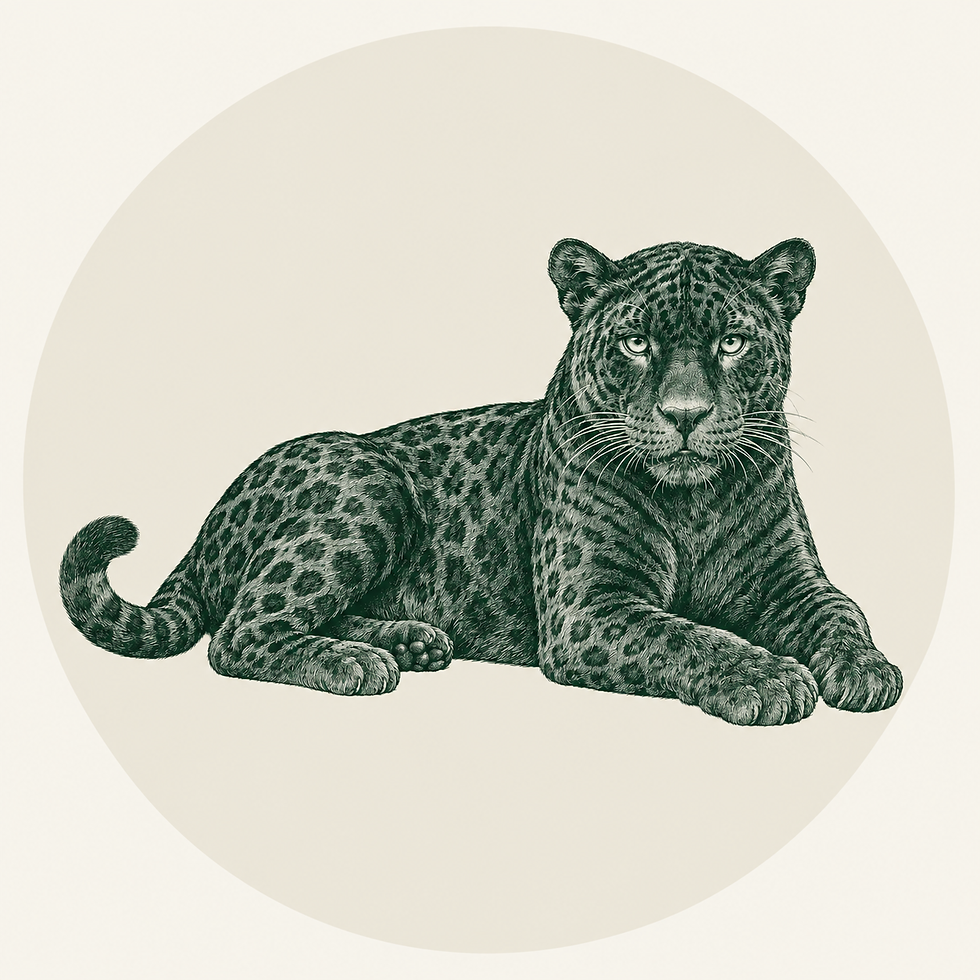
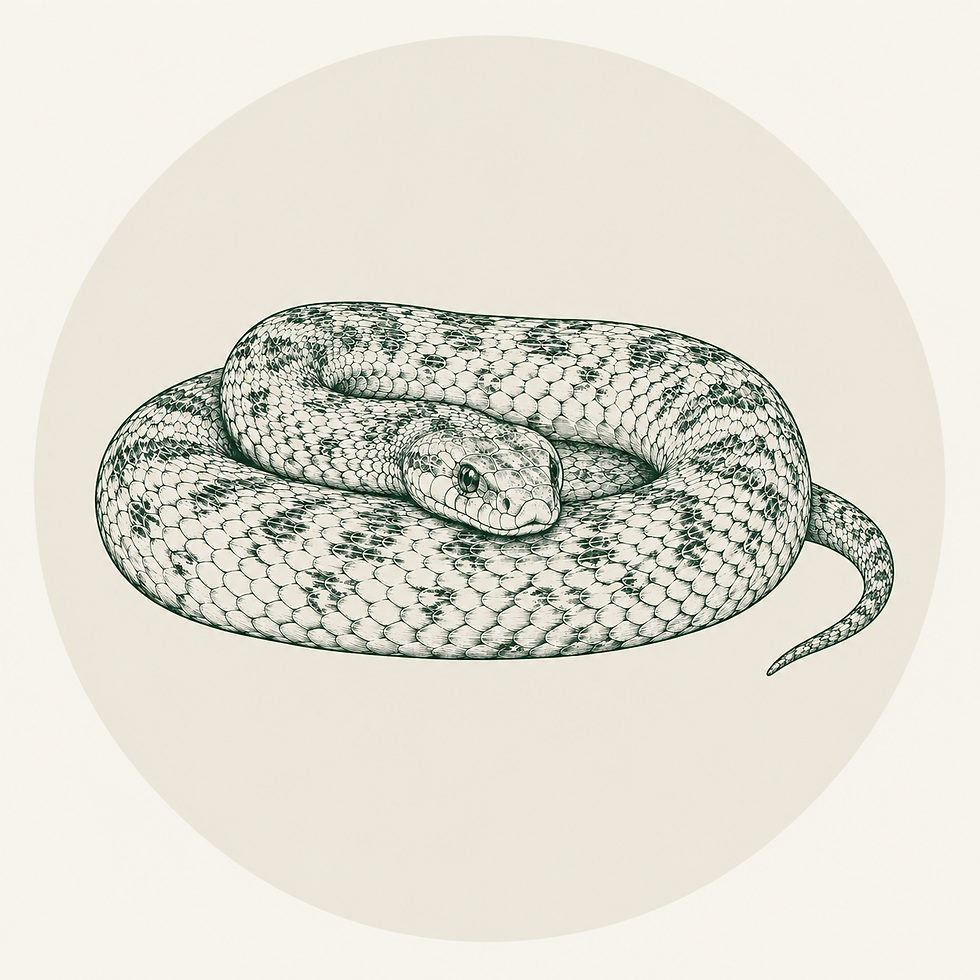
The three worlds
HANAN PACHA
The Higher World
REPRESENTED BY THE CONDOR
The world above, connected with the sky, expanded consciousness and the spiritual dimension of life.

KAY PACHA
The Earthly World
REPRESENTED BY THE YANAPUMA
The world in which we live now, including our present life, relationships, choices and the way we move through the human world.
UKHU PACHA
The Underworld
REPRESENTED BY THE SNAKE
The inner or lower world, connected with the earth, our roots, the past, our subconscious and what lies beneath the surface.

GOING DEEPER
Why some people choose two Dietas
back-to-back
For some participants, one Dieta is enough. Others stay for a second to allow more time for plant work, ceremony, reflection and guidance, without immediately returning to everyday life.
Further Exploration
For some participants, staying longer can also create space to deepen the work, continue with the same plant, or diet another plant within a new phase of the process.
Continuation
A second Dieta can create more continuity, allowing the first experience to settle and giving more time to remain within the same supportive process.
Arrival
The first Dieta is often a time to arrive, slow down, and become familiar with the process and the rhythm of daily life at the center.
Two Dietas are not automatically better than one.
The right length depends on the person, the plants, their intention, and what is appropriate for them at that time.

